
Mighty Minds Therapy provides therapy for children and teens experiencing big emotions and behavioral challenges in Wheat Ridge, Colorado, serving families in Denver, Arvada, Lakewood, Westminster, and the greater Denver metro area. Telehealth services may also be available throughout Colorado, Nevada, and Indiana, depending on clinician licensure and clinical appropriateness.
Therapy helps children express feelings, develop coping skills, and navigate difficult moments while supporting caregivers in understanding and responding to their needs.
Everyday situations can feel overwhelming when emotions become intense. Getting ready for school, turning off a screen, hearing “no,” or moving between activities may lead to tears, arguments, or meltdowns. You may feel as though you are walking on eggshells, repeating yourself, or trying strategies that do not seem to help.
Some children express distress through yelling, hitting, or difficulty following directions. Others shut down, withdraw, or hold their feelings together at school before becoming overwhelmed at home. Teens may become more reactive, pull away, or struggle to communicate what they need.
These responses can have many contributing factors, including developmental differences, anxiety, ADHD, stress, trauma, sensory needs, or difficulty communicating. Therapy provides space to understand the broader picture and build skills that fit your child’s needs. We work with children, teens, and caregivers to support emotional regulation, clear boundaries, and stronger relationships.

Therapy Can Help With…
“See a child differently, and you see a different child.”
— Stuart Shanker, Ph.D.
What Happens in Therapy for Big Emotions and Behavioral Challenges?
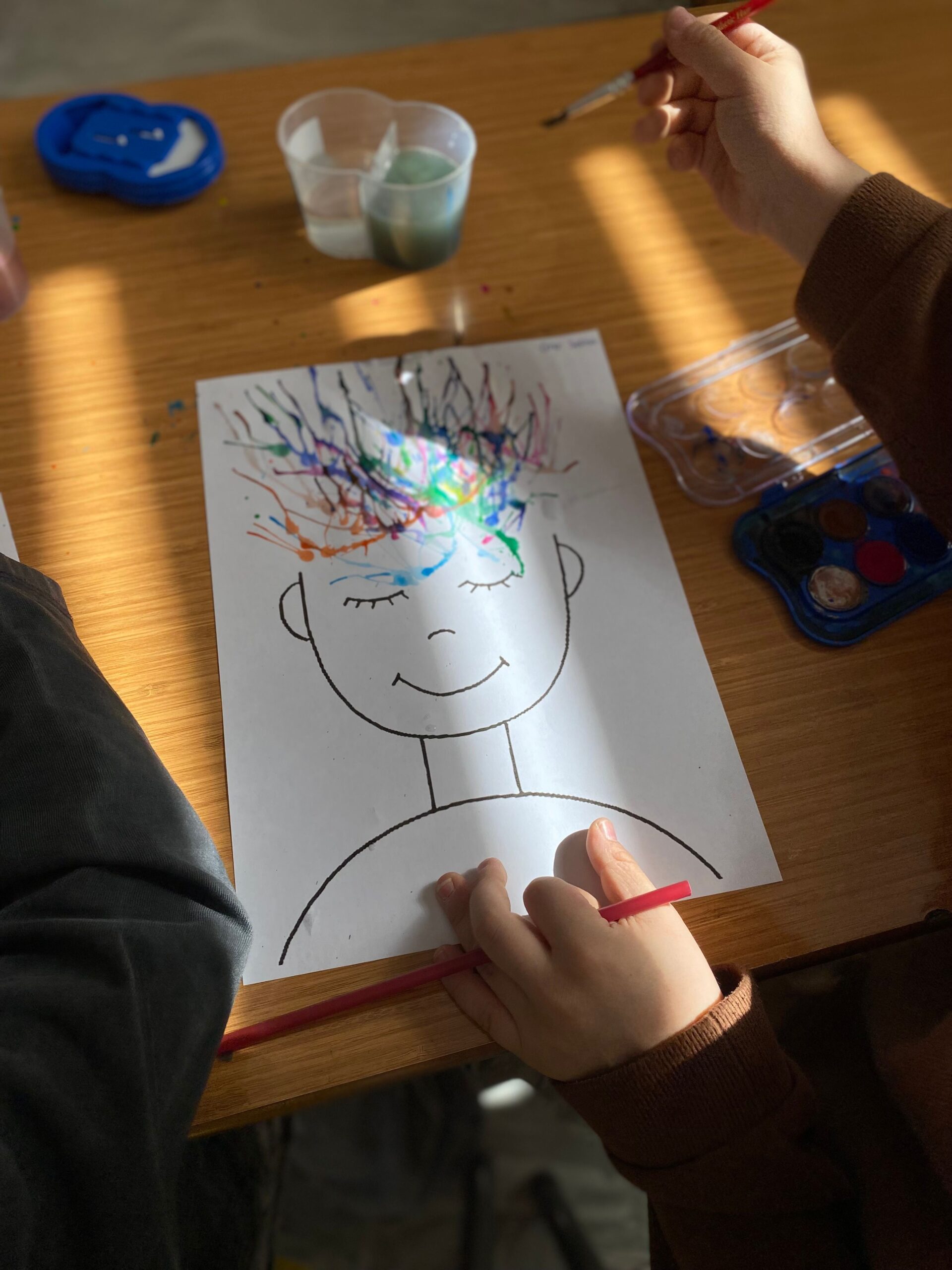
Therapy begins with understanding your child’s strengths, developmental stage, relationships, and current challenges. We explore when difficult moments happen, what tends to come before them, how adults respond, and what helps your child recover.
Treatment may include play therapy, expressive activities, cognitive behavioral therapy (CBT), emotional regulation skills, and parent coaching. When traumatic or distressing experiences are contributing to your child’s reactions, your clinician may recommend trauma-focused treatment.
Children may use play, drawing, games, movement, or storytelling to communicate experiences and practice new skills. Teens may benefit from a combination of conversation, practical strategies, and activities that fit their interests and goals.
Therapy often focuses on:
- Recognizing emotions and early signs of overwhelm
- Understanding situations that make regulation more difficult
- Developing ways to express needs and ask for help
- Practicing coping, flexibility, and problem-solving skills
- Building tolerance for frustration and disappointment
- Supporting safer responses during intense emotions
- Strengthening caregiver-child communication
- Practicing repair after difficult interactions
We look beyond isolated behaviors while also addressing their impact. Goals may include keeping people safe, reducing conflict, improving daily routines, and helping your child feel more understood and capable.
Parent Support for Meltdowns and Difficult Moments
When your child is overwhelmed, knowing how to respond can be difficult. You may feel frustrated, worried, embarrassed, or unsure whether to offer comfort, hold a limit, or give space.
Caregiver sessions provide support with understanding your child’s cues, setting developmentally appropriate expectations, and responding more consistently. We may explore predictable routines, preparation for transitions, clear limits, and ways to help your child settle before discussing what happened.
Parent coaching can also include reflection on your own stress responses, parenting values, and experiences. The goal is to develop practical responses that support your child while recognizing your needs and the realities of family life.
Not Sure Whether Therapy Is the Right Fit?
Children do not need to have a diagnosis or be struggling in every setting to benefit from support. If emotional outbursts, anger, withdrawal, or repeated conflict are affecting your child’s relationships, routines, or participation at school, therapy may help clarify what is happening.
Your clinician will consider whether the behavior fits your child’s developmental stage and whether additional assessment or support may be helpful. Recommendations may include child therapy, teen therapy, parent coaching, family therapy, or coordination with other professionals when appropriate.
How Therapy Can Help
Through Therapy, Children, Teens, and Caregivers May:
- Better recognize feelings and signs of overwhelm
- Communicate needs more clearly
- Develop coping skills for frustration and stress
- Practice safer responses to intense emotions
- Navigate transitions with greater support
- Recover more effectively after difficult moments
- Reduce repeated arguments and power struggles
- Build more predictable routines and expectations
- Strengthen parent-child connection
- Feel more confident handling challenges together
Progress may look like asking for help sooner, having a less intense outburst, recovering more quickly, or repairing a relationship after conflict. Therapy helps families recognize these changes and build on them over time.

Frequently Asked Questions About Big Emotions and Behavioral Challenges
Take The Next Step
If your child or teen is struggling with big emotions, frequent meltdowns, anger, or behavioral challenges, you do not have to figure out the next steps alone. Therapy can help your family understand what is happening and develop practical ways to support regulation, communication, and connection.
Schedule a Free 15-Minute Consultation to learn more about therapy for emotional and behavioral challenges and determine which services may be a good fit for your child and family.